Can the square vibrating screen really solve the problem of clogged mesh in fine powder screening? update time:2026-03-01 Click count:227次
“Screen mesh clogging every three days, low fine powder passing rate, and substandard finished product purity” are common pain points in many fine material screening applications. As a targeted solution, how effective is the rotary swing screen in practice?
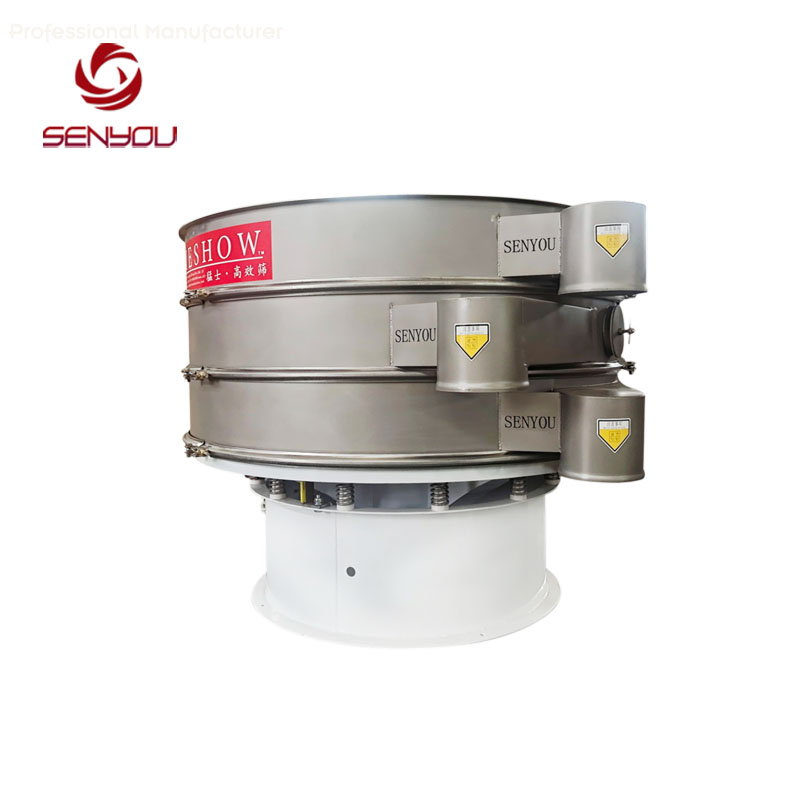
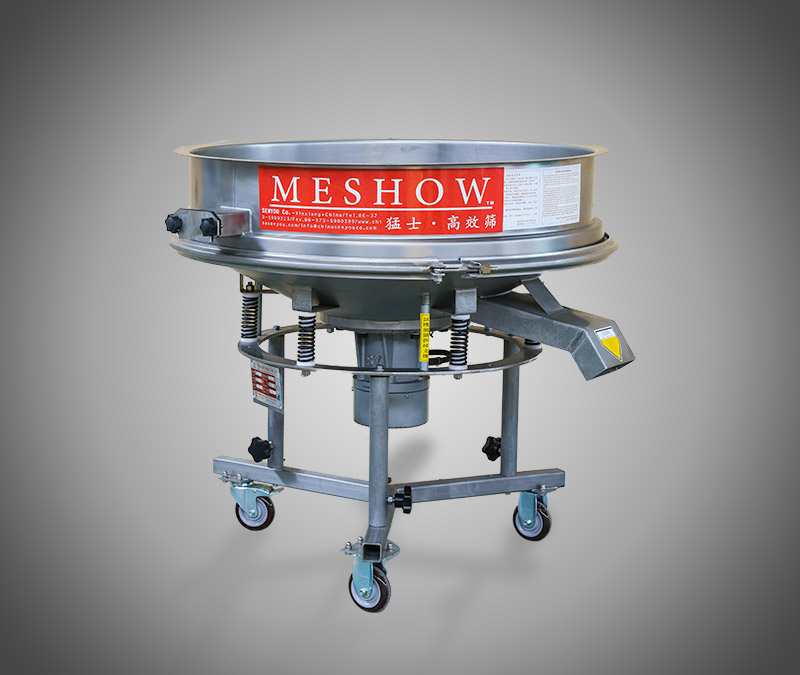
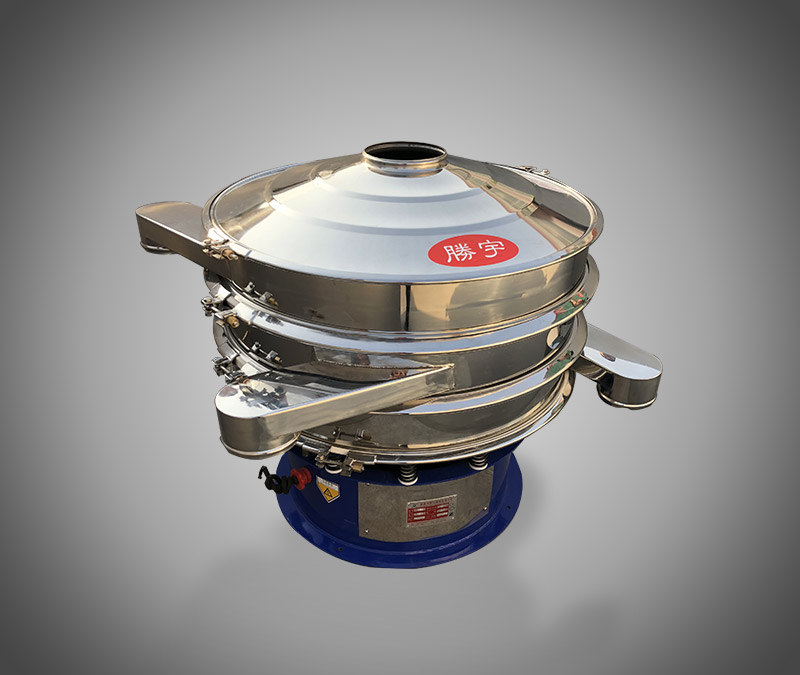
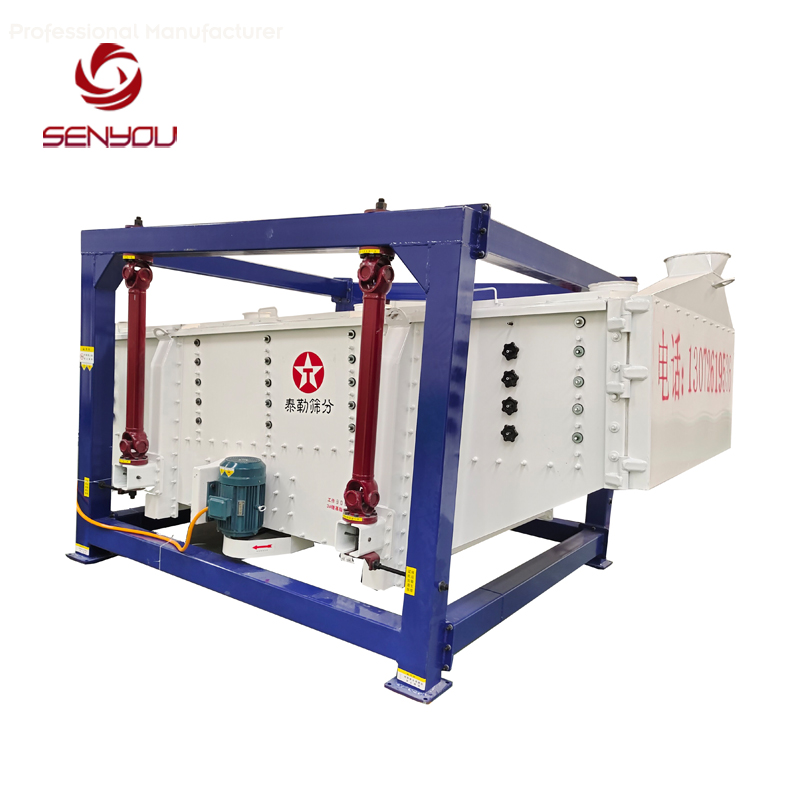
The answer is positive, but the right configuration is essential.Equipped with a dual anti-clogging system consisting of silicone bouncing balls and beating bars, plus a 3D compound swing trajectory that mimics manual screening, the rotary swing screen fundamentally solves industry challenges such as fine powder agglomeration and screen blockage.
During operation, the silicone bouncing balls bounce continuously beneath the screen mesh, striking the back of the mesh to loosen and dislodge fine powder clusters trapped in the openings. At the same time, the beating bars gently and regularly tap the screen, further preventing fine powder from adhering to the mesh surface due to static electricity or moisture.
The artificial-swing trajectory ensures even material distribution across the screen deck without local accumulation, allowing every particle to fully contact the mesh. This not only improves screening efficiency but also delivers more stable and consistent finished product purity.
However, avoid these common mistakes:
· For moist, agglomerative materials, do not use standard screens and conventional anti-clogging setups. Instead, use polyurethane screens with pneumatic knockers. Polyurethane is hydrophobic and resists adhesion, while pneumatic knockers provide high-frequency gentle tapping to clear sticky materials.
· For food, pharmaceutical, and other hygienic applications, prioritize 316L stainless steel screens. This material is corrosion-resistant, easy to clean, non-reactive with materials, and leaves no residue that could compromise product quality. Using ordinary metal screens may cause rust, contamination, and more frequent clogging.
· Screen deck angle is critical and should be calibrated to 2°–8° using a level gauge during installation. Too small an angle causes slow material flow and re-clogging; too steep an angle leads to rapid discharge without sufficient screening, reducing accuracy.
The above are personal opinions for reference only.Welcome to discuss and learn together if you have better solutions.
Previous: Say Goodbye to Screening Challenges – A Precise, High-Efficiency New Choice: Xinxiang Senyou Vibrati
next: Core Differences Between The MSN Slurry Vibrating Screen and The Ordinary Slurry Screens
- 2026-03-01HowtoSolveInsufficientScre
- 2026-03-01WhatMaterialsAreSuitablefo
- 2026-03-01WhatAretheComponentsofanUl
- 2026-03-01CoreDifferencesBetweenTheM
- 2026-03-01SayGoodbyetoScreeningChall
- 2026-03-01AutomaticPowderIronRemover
- 2026-03-01Repairandmaintenanceofsqua
- 2026-03-01WhattoDoIftheVibratingScre
- 2026-03-01Doyouwanttoknowinwhichindu
- 2026-03-01SenyouSquareSwingSieve:A"V